Coding Automation & Traceability Systems
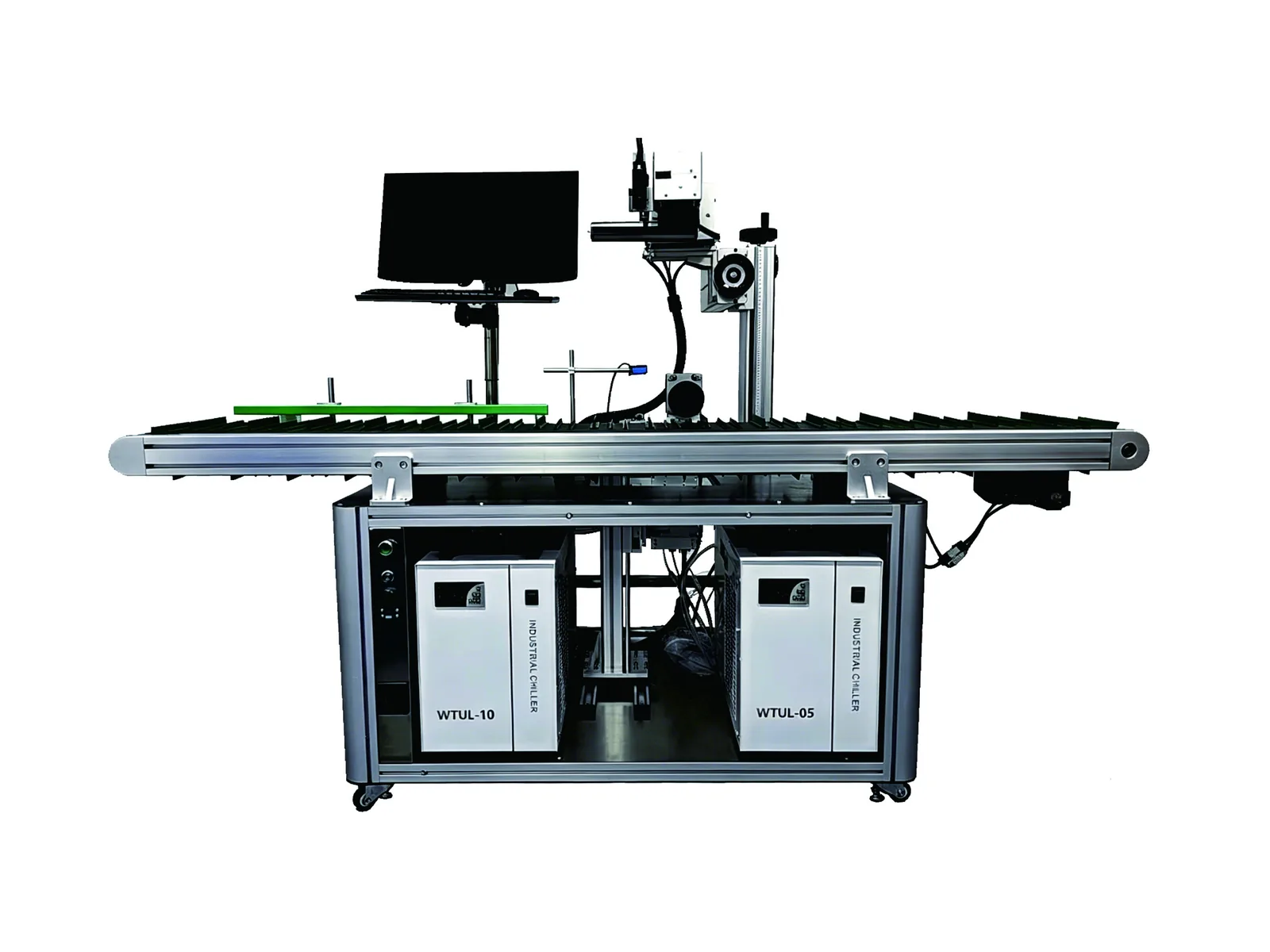
A printer is only one part of a coding line. We help integrate the conveyor, photoelectric trigger, vision inspection, rejection device and traceability software so every code is printed, checked and recorded.
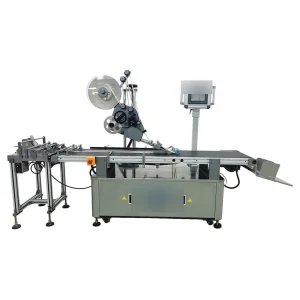
Build the line around the product
Three building blocks: apply the label, print and check the code inline, or verify what is already printed and reject what fails.
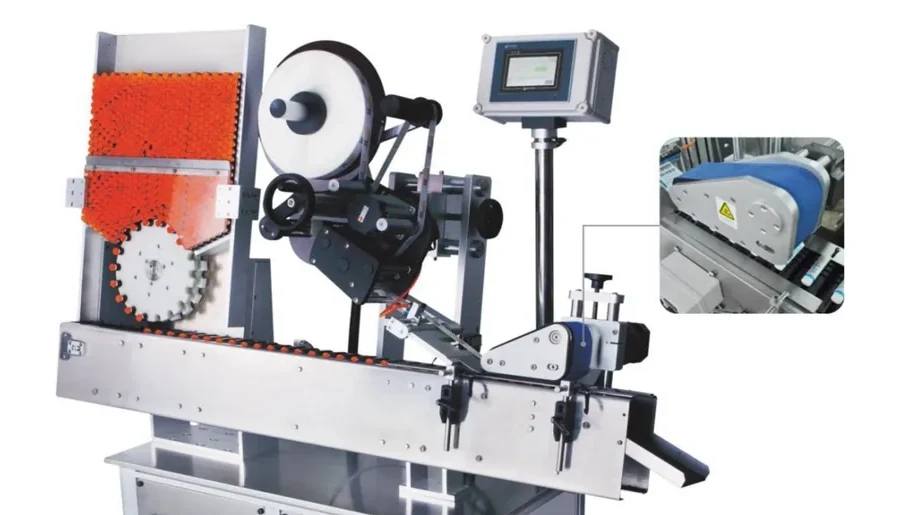
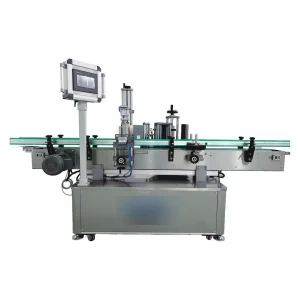
Automatic Labeling Machines
Round bottles, flat surfaces and cartons. Up to 500 bottles/min with optional coding integration.
Explore →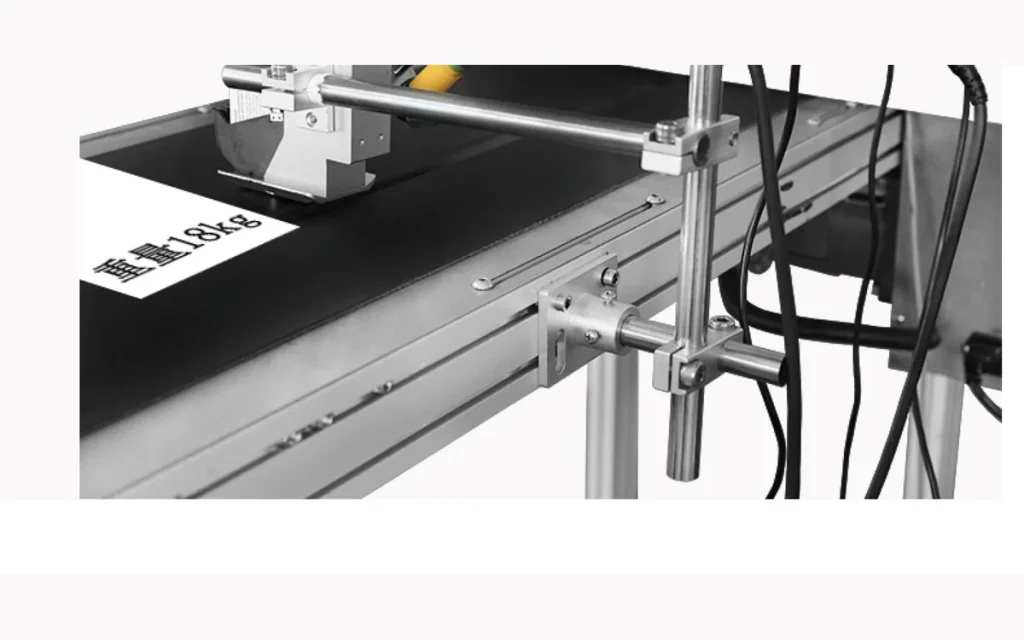
Inline Coding & Checkweighing
Print and verify the code on a moving conveyor, then check weight and reject out-of-spec packs.
Explore →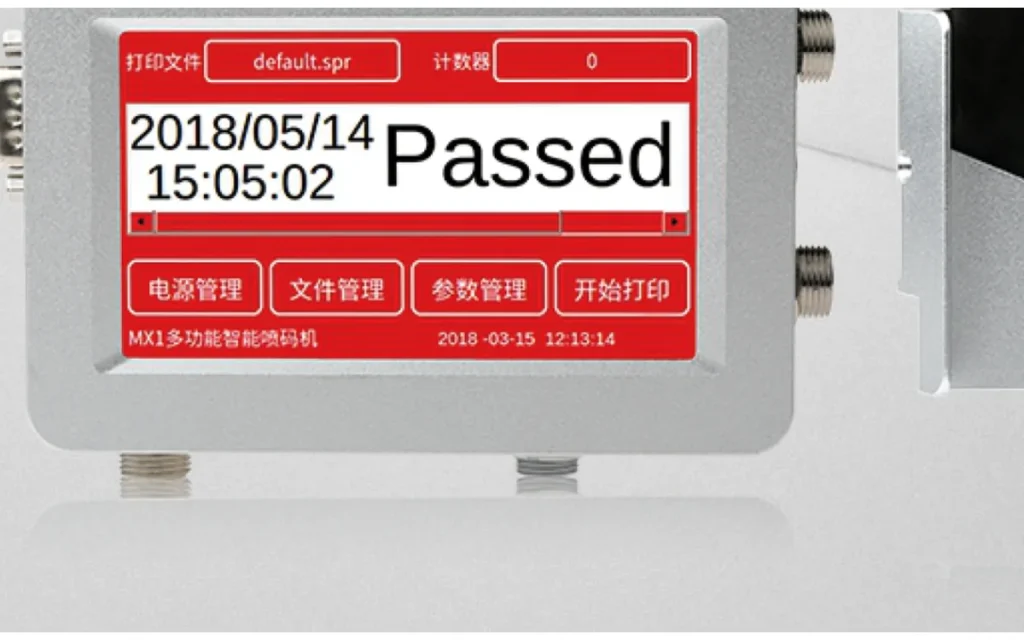
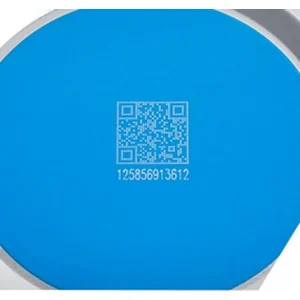
Code Verification & Rejection
Check print quality, code presence, OCR/OCV and defects at line speed. IP67 sensor, 60 fps.
Explore →One line, many products
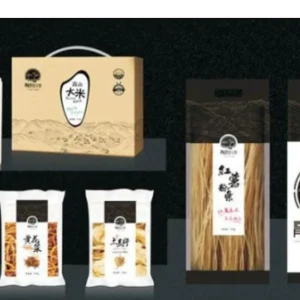
Labeling, coding and traceability across the product types our integration partners handle.

Backed from sample to support
Common questions
Can you integrate with my existing conveyor?
Yes. We start from your conveyor speed, product spacing and control signals, then specify the mounting and trigger.
Do I need vision inspection?
Vision inspection is recommended when a missing or unreadable code would cause a recall, a customer claim or a traceability gap.
Can the system connect to ERP or MES?
The traceability layer can exchange data with ERP/MES through a defined interface. The exact integration depends on your system.
Can you supply the conveyor and rejection device?
Yes. We can supply the conveyor, trigger, vision sensor, rejection device and collection table as a matched line.
Keep exploring
Build coding automation in stages
Start with the printer and a photoelectric trigger. Then add vision inspection and a reject device. After that, connect the traceability system to the line controller or ERP. Each stage stands alone. Therefore, the first project stays small and you can prove the benefit. In short, start with the failure you cannot accept.
Define the coding automation failure response
Ask what happens today when a code does not appear. Does the operator stop the line? Does the product reach the pallet? Then define the response for the new system. The reject device removes the product, and the controller alarms after repeated failures. Also, define the reject bin and who empties it. Then define who clears the fault and restarts the line. Ask who owns each step, because an unowned check fails quietly.
Check the interface before the order
Send the line speed, the code and the controller details. We check the trigger, the reject timing and the data interface. Then we propose the smallest system that closes the gap. In addition, we test the code on your product. Finally, we run the code at the slowest and fastest line speed. You see the result before you commit.
Coding automation pays when the failure cost is clear. Request a line review through the quote form. For background, read about industrial automation.
Send us your product and code layout
We confirm the technology, print area and line speed, run a sample, and quote with shipping to your door.