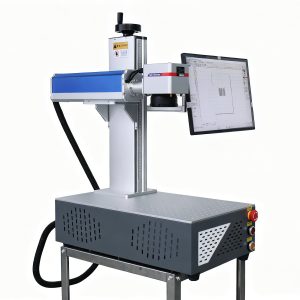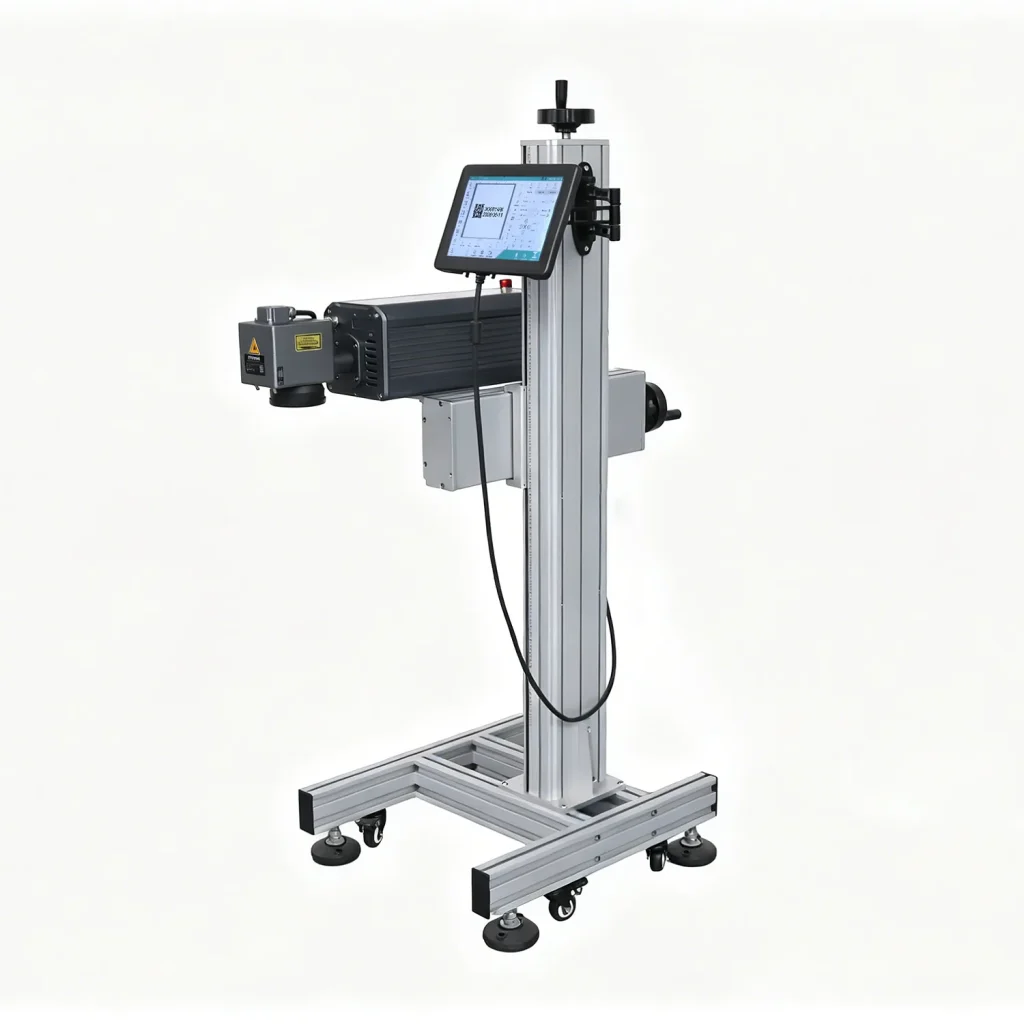
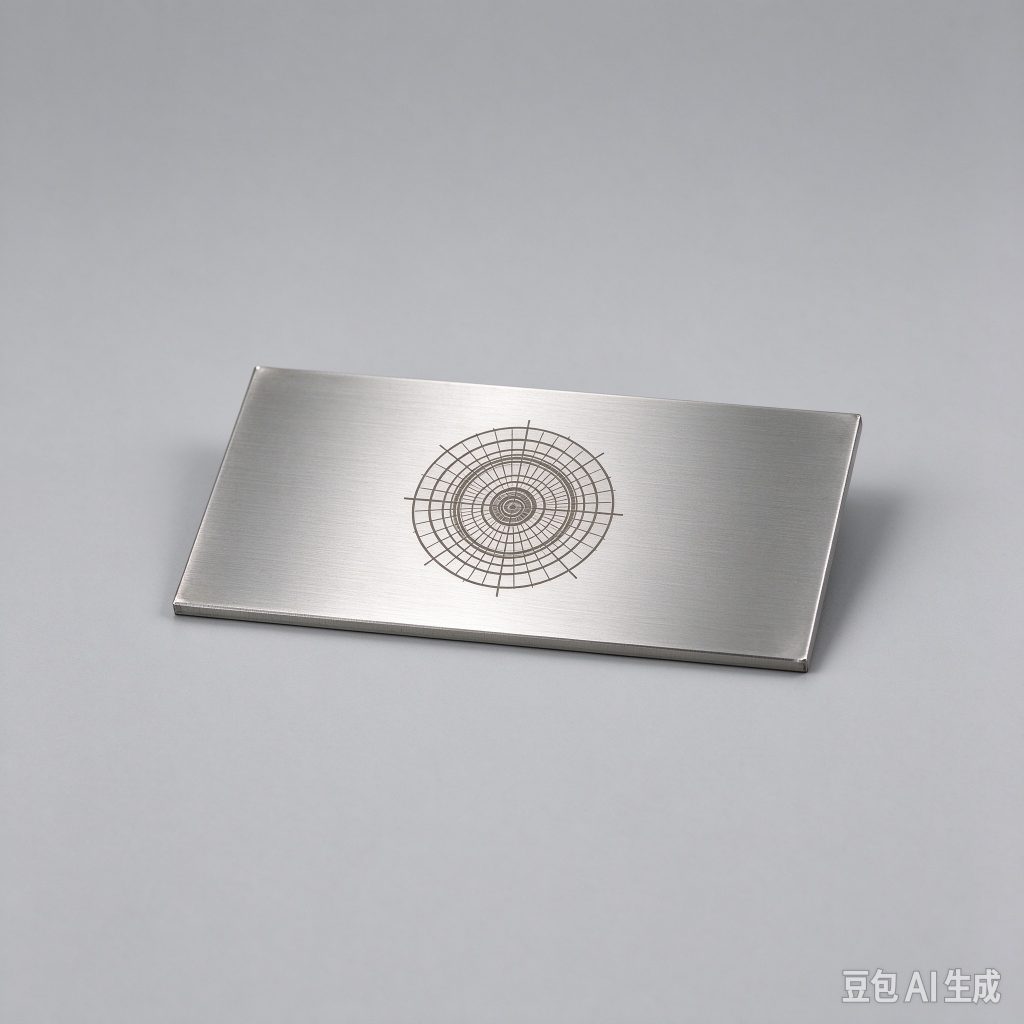
Fiber laser marking advantages explain why this technology became the standard for permanent marking on metal. A fiber laser produces clean, high-contrast marks on stainless steel, aluminum, brass and many coated metals. It uses no ink, labels or consumables, and the mark lasts the life of the part.
In this guide we list the key fiber laser marking advantages and where each one matters most. When you finish, compare our fiber laser machines or check the material settings library to start marking your own parts.
1. Permanent marks that last
A fiber laser changes the surface of the metal. The mark does not wash off, fade or peel. For serial numbers, logos and traceability codes, this permanence is the main reason buyers choose fiber over inkjet or labels. Inkjet codes wear away with use, and labels peel in heat, oil or harsh environments. A fiber laser mark stays for the life of the part.
2. No ink, labels or consumables
A fiber laser marking machine needs no ink, ribbon, solvents or labels. You remove a recurring cost and a whole set of supply-chain problems. There is nothing to reorder and nothing to run out of in the middle of a run. For a factory that marks parts all day, this is one of the biggest fiber laser marking advantages.
3. Fast marking speed
Fiber lasers mark quickly because the galvo system moves the beam with mirrors instead of a heavy head. Simple codes take a fraction of a second. Larger logos and data matrix codes still finish in seconds. High speed means you can mark inline on a moving line without slowing production, which keeps the line rate high.
4. Marks almost any metal
Fiber lasers handle stainless steel, aluminum, brass, copper, titanium and coated metals. Many also mark some plastics and anodized aluminum. One machine covers most of the materials a metal shop works with, so you keep the equipment list short and the setup simple.
5. Low maintenance
A fiber laser source has no moving parts and no tube to replace. Air cooling removes the need for a chiller on most models. In day-to-day use you mostly clean the lens and protective glass. Downtime stays low, and the machine keeps its output steady over years of production.
6. Contactless and precise
The beam touches nothing. You can mark thin, delicate or finished parts without clamping pressure or tool wear. The small spot size gives fine detail for logos, data matrix codes and small text. This precision matters on medical instruments, electronics and small metal tags.
7. Low cost per mark
Once the machine is paid for, the cost per mark is close to zero. There is no consumable cost and almost no waste. For high-volume marking, this is where fiber laser marking advantages show up most clearly on the spreadsheet. The machine pays for itself faster when every mark is nearly free.
Fiber laser versus other marking methods
| Method | Mark permanence | Consumables | Best for |
|---|---|---|---|
| Fiber laser | Permanent | None | Metal and coated parts |
| Inkjet | Fades with wear | Ink and solvent | Packaging and cartons |
| Dot peen | Permanent | Stylus tips | Heavy industrial parts |
| Labels | Peels or fades | Labels and adhesive | Low-cost tags |
Frequently Asked Questions
Can a fiber laser mark all metals?
Fiber lasers mark most metals, including stainless steel, aluminum, brass, copper and titanium. Some reflective or very hard alloys need a settings adjustment, but the fiber source covers the great majority of metal marking jobs.
Do I need a chiller for a fiber laser?
Most desktop and flying fiber lasers are air-cooled, so no chiller is needed. You only add a chiller when you move to high-power or water-cooled configurations, which are less common for standard marking work.
How long does a fiber laser mark last?
A fiber laser mark is permanent and lasts the life of the part. It does not fade, wash off or peel, which is why fiber is the standard for serial numbers and traceability codes in metal.
Ready to see fiber laser marking on your part?
Fiber laser marking advantages come down to permanence, speed and zero consumables. That is why workshops and factories standardize on fiber for metal marking. Request a sample test and we will mark your actual part before you commit. Browse our fiber laser machines or contact our team for a quote.