UV Inkjet Printers for Labels & Packaging
A roll-to-roll UV inkjet printer for labels, plastic packaging and variable data. It prints up to 1200 DPI at up to 150 m/min, with CMYK plus white and LED UV curing for durable, high-contrast codes and graphics.
Choose a model
Select a model to see its specifications, or compare all models below. Final configuration and price are confirmed in the quotation.
| Model | Configuration | Print lines | Technology | Print height | Max speed | Best for |
|---|---|---|---|---|---|---|
| UV-54 | Roll-to-roll | Variable | UV inkjet | 54 mm nozzle width | 0–150 m/min | Labels, plastic packaging and variable-data printing at production speed. |
What you can mark, and how
| Material | Best fit | Typical result | Notes |
|---|---|---|---|
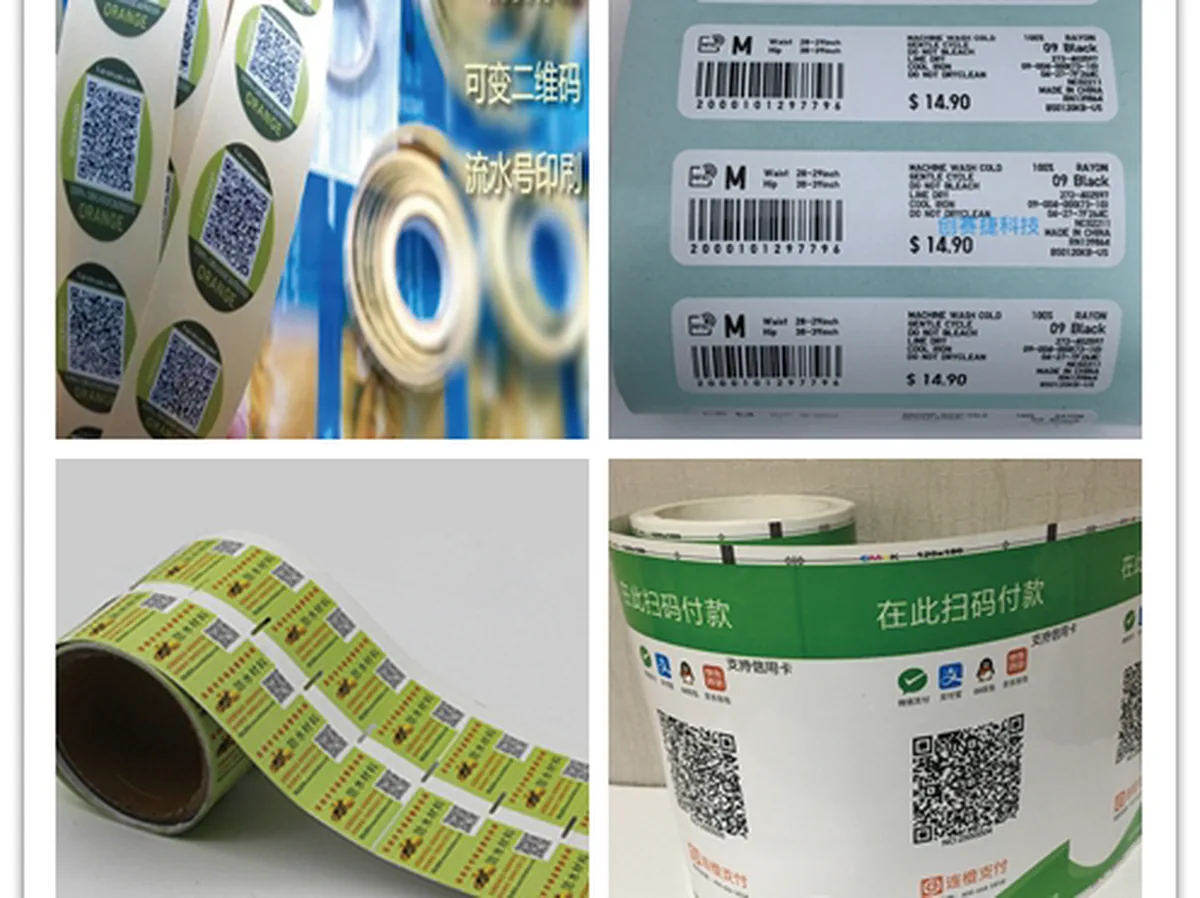
| Paper and PET labels | UV inkjet | High-resolution variable data | Up to 1200 DPI |
| PVC and PP packaging | UV LED curing | Durable codes and graphics | Cures immediately |
| Transparent film | UV inkjet with white | Readable codes on clear material | Pre-treatment may be needed |
Backed from sample to support
Common questions
UV inkjet vs CIJ: which is better for labels?
UV inkjet gives higher resolution and richer graphics for labels and packaging. CIJ is faster and more tolerant of curved, uneven products. The right choice depends on the product and the code.
Which materials can it print on?
Paper, PET, PVC and PP are the main substrates. Adhesion on other materials should be sample-tested.
Does it need pre-treatment?
Some low-surface-energy films need corona or primer treatment for ink adhesion. We confirm this during the sample test.
What is the maximum speed at 600 DPI?
Speed depends on resolution, ink coverage and substrate. We confirm the achievable speed for your artwork and material.
Can it print variable QR codes?
Yes. UV inkjet is well suited to variable QR codes, serial numbers and short-run label data.
Related guides
Keep exploring
Variable data with UV durability
Materials and pre-treatment
Paper, PET, PVC and PP are the main substrates. Some low-surface-energy films need corona or primer treatment for ink adhesion. Send a sample of the actual label or film; adhesion and colour cannot be confirmed from a material name alone.
UV inkjet or CIJ?
UV inkjet gives higher resolution and richer graphics for labels and packaging. CIJ is faster and more tolerant of curved, uneven products. If your product is a bottle or a cable, CIJ is usually the better fit; if it is a label or a printed web, UV inkjet is.
UV inkjet printer curing, adhesion and maintenance
A UV inkjet printer cures the ink with an LED lamp immediately after printing, so the code is dry before the product reaches the next station. That instant cure is why UV inkjet suits labels, plastic packaging and high-resolution codes at up to 150 m/min: the print does not soak into the surface and does not need a drying tunnel.
Adhesion starts with the substrate
UV ink sits on the surface rather than absorbing into it, so adhesion depends on the substrate and the pre-treatment. Some plastics need corona or primer treatment before the code will resist rubbing; glass and coated labels usually print well after a test. The lamp power and the distance to the surface have to be set for the line speed, because under-curing leaves a tacky code that smears downstream.
Send the label or packaging material for a print and adhesion test before you specify the unit. Compare with TIJ for cartons, and see the material guide for starting settings. Background: UV curing.
Send us your product and code layout
We confirm the technology, print area and line speed, run a sample, and quote with shipping to your door.