Automatic Labeling Machines for Round & Flat Products
Automatic labeling machines for round bottles, flat surfaces and cartons. Apply labels at up to 500 bottles/min with ±0.5 mm accuracy, and add a coding printer for date and batch data in the same pass.
Choose a model
Select a model to see its specifications, or compare all models below. Final configuration and price are confirmed in the quotation.
| Model | Configuration | Label type | Machine type | Product size | Speed | Best for |
|---|---|---|---|---|---|---|
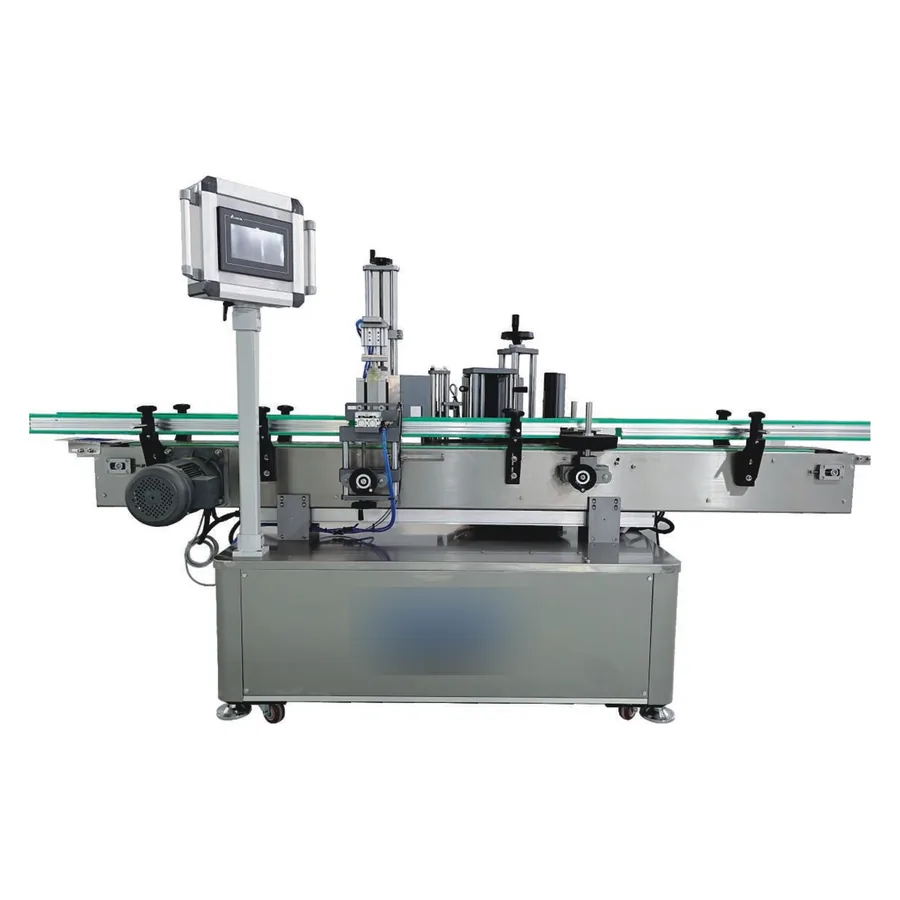
| Label 260 | Round bottle | Wrap-around | Horizontal round bottle | Φ10–30 mm | up to 500 bottles/min | Small round bottles at high speed with tight label accuracy. |
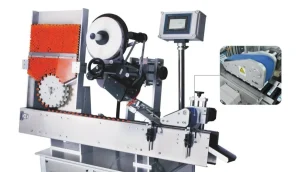
| Label 360 | Multi-function | Wrap-around | Multi-function round bottle | Φ30–100 mm | 50 m/min | Larger round bottles and containers with flexible label sizes. |
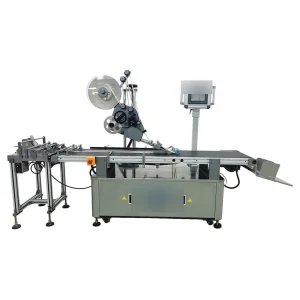
| Label 290 | Flat surface | Top / bottom | Flat and square products | Flat products | 1–50 m/min | Top and bottom labeling of cartons and flat products. |
What you can mark, and how
| Material | Best fit | Typical result | Notes |
|---|---|---|---|
| Small round bottles | Label 260 wrap-around | Up to 500 bottles/min with ±0.5 mm accuracy | High-speed line unit |
| Larger round containers | Label 360 multi-function | Flexible label sizes with ±1 mm accuracy | Multi-function unit |
| Cartons and flat packs | Label 290 top/bottom | Top and bottom labeling with ±1 mm accuracy | Optional coding head |
Backed from sample to support
Common questions
Which machine suits my bottle?
Bottle diameter and line speed decide the model. Small round bottles use the compact high-speed unit; larger containers use the multi-function unit.
Can the labeler print dates and batch numbers?
Yes. A coding printer can be integrated with the labeling line to add variable data in the same pass.
What label accuracy can I expect?
Up to ±0.5 mm on the compact round-bottle model, and around ±1 mm on the larger and flat-product models.
Can it handle transparent labels?
Yes, with the correct sensor and label material. We confirm the sensor setup with a sample.
Do you provide installation?
We provide commissioning guidance and remote support. On-site installation depends on your location and is confirmed in the quotation.
Related guides
Keep exploring
Match the label to the applicator
Label material affects the web path and the speed. Thin film can stretch or tear, and paper labels need a steady tension. First, bring the actual label to the test. Then we set the tension and the take-up. Also check the label position against the product edge. Therefore, send the container and the label together. Also, check the label roll direction.
Add coding in the same pass
A printer can add a date or batch code to the label. Then the line applies the label and the variable data together. This approach gives one alignment and one inspection point. Also, it removes a separate coding station. If the product needs a printed code, see our inkjet coding range. Finally, test the line at the highest speed.
Verify the label after application
Add vision inspection to check presence and position. The camera catches a missing or crooked label. Then a reject device removes the product. As a result, the pack reaches the case packer correctly. In addition, keep a spare peel plate. Then a worn plate does not stop the shift. In short, the container and label decide the machine.
An automatic labeling machine needs the real container and label. Send a sample container and the label. We test the applicator and the line speed. Then we confirm the model and the options. Request a configuration through the quote form. For background, read about labels.
Send us your product and code layout
We confirm the technology, print area and line speed, run a sample, and quote with shipping to your door.