Small-Character CIJ Inkjet Printer (1–3 Lines)
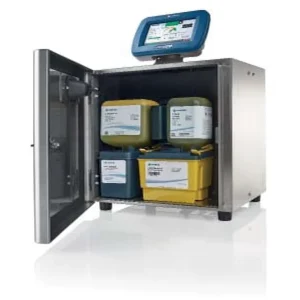
A compact continuous inkjet printer for 1–3 lines of dates, batch numbers and lot codes on bottles, cans, cable, pipe and eggs. The 5.6-inch touchscreen and 18.3 kg case make it easy to install on a filling or packaging line.
Choose a model
Select a model to see its specifications, or compare all models below. Final configuration and price are confirmed in the quotation.
| Model | Configuration | Print lines | Technology | Print height | Max speed | Best for |
|---|---|---|---|---|---|---|
| CIJ Standard 1–3 Line | Small character | 1–3 | Continuous inkjet | up to 24 dots | 2 m/s | Compact date and batch coding where space and budget are tight. |
What you can mark, and how
| Material | Best fit | Typical result | Notes |
|---|---|---|---|
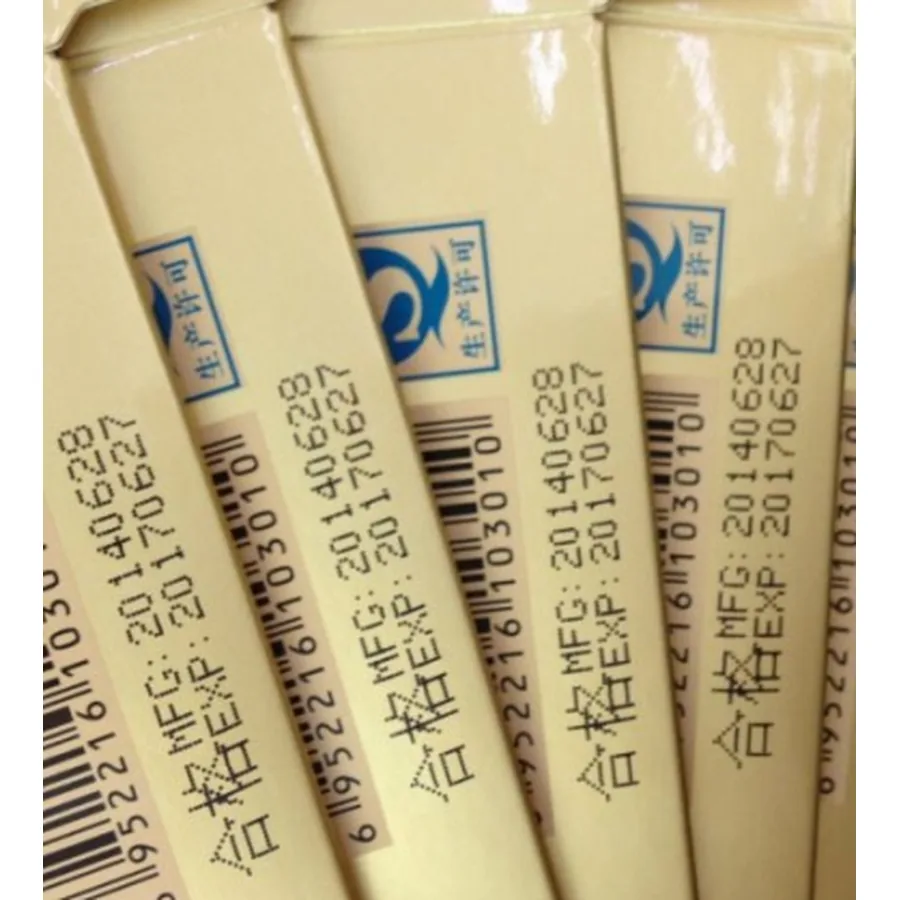
| Bottles and cans | CIJ small character | Date and batch codes on curved surfaces | Non-contact print head |
| Cables, pipes and eggs | CIJ 1-3 lines | Lot codes without product contact | Suited to uneven products |
| Coated cartons and film | CIJ solvent ink | Readable codes at line speed | Ink matched to the substrate |
Backed from sample to support
Common questions
What is the smallest character height?
The printer supports small-character coding up to 24 dots. The exact minimum character height depends on the ink and substrate; confirm the code layout with us.
Can it print on curved bottles?
Yes. CIJ is well suited to curved bottles because the print head does not contact the product.
Does it support English and other languages?
Yes. The message editor supports Latin characters and can be configured for other languages. Confirm the exact character set for your market.
What is the lead time?
Lead time depends on configuration and stock. We confirm it in the quotation.
What warranty do you provide?
Warranty terms are confirmed with the quotation. Core components and wear parts may have different coverage.
Related guides
Keep exploring
Plan the print height on a small character inkjet printer
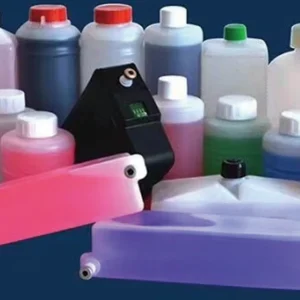
The printer supports up to 24 dots of character height. However, the usable minimum depends on the ink and the surface. Solvent ink spreads less on non-porous plastic. Porous cartons need a faster-drying formulation. First, confirm the code layout on your own product. Then test the smallest code you expect to print. A code that looks fine on paper can close up on a curved vial. However, a very small code needs a finer print head.
Keep changeovers short
The 5.6-inch colour touchscreen stores message templates. Next, an operator recalls a template and edits the date in seconds. Also keep a spare ink cartridge and a cleaning kit beside the machine. Then a shift change does not stop the line. Label the ink lot so a bad batch is easy to trace. If output grows, move up to the high-speed CIJ printer.
Check the code from the small character inkjet printer
Send a sample of the bottle, vial or cable. We print the code at your line speed and photograph the result. Then you see the character height, contrast and dry time. Then we confirm the head, ink and bracket. In addition, we check the space around the existing equipment. Finally, keep the message library tidy so operators find templates fast.
First, list the smallest code you print. Then check the ink on the real surface. Finally, ask for a spare print head.
A small character inkjet printer suits short runs and tight spaces.
Read the material guide for starting settings. Then send your sample through the quote form. For background, read about GS1 barcode standards.
Send us your product and code layout
We confirm the technology, print area and line speed, run a sample, and quote with shipping to your door.